Your certificate
A personalised digital certificate with the name you choose.
Certificate of symbolic adoption
Your chosen name
has met
A snow leopard character
Meet a fictional character inspired by the snow leopard, and follow their gentle adventures through a story made to feel like yours.
The character is fictional. Membership includes story content and a personalised certificate.
A personalised digital certificate with the name you choose.
Certificate of symbolic adoption
Your chosen name
has met
A snow leopard character
A made-up friend inspired by the real snow leopard.
Carefully sourced notes about the animal that inspired the story.
The character is made up. The species facts are sourced separately and shown with their references.
A cat of steep, high-altitude terrain
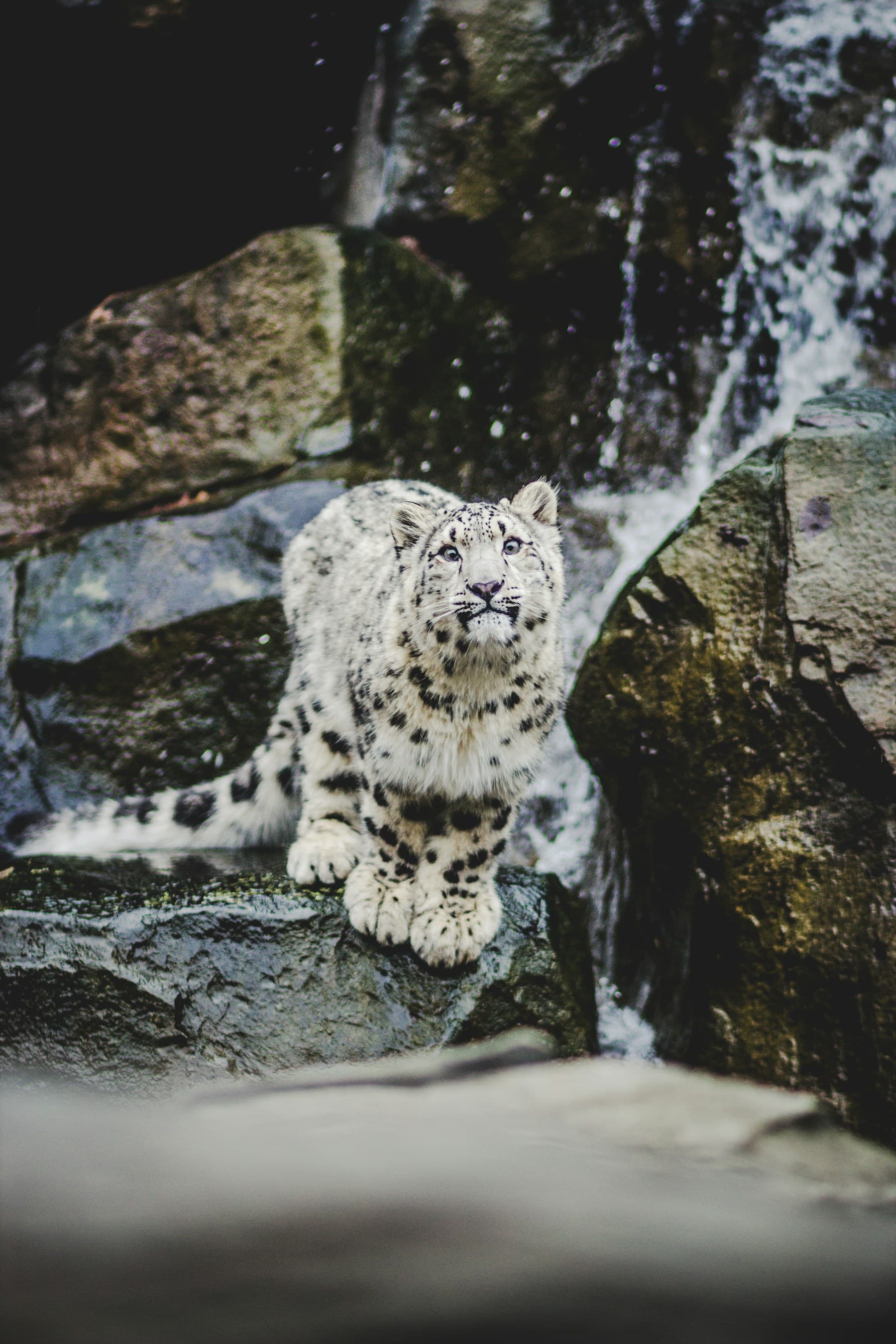
The snow leopard (Panthera uncia) lives across the mountain ranges of Central and South Asia, including the Himalayas. Its habitat includes rocky slopes, ridges and alpine areas where conditions can be harsh and distances between resources are large. A thick, patterned coat helps it blend into broken rock and snow; broad paws act like natural snowshoes, while a long tail helps with balance and can wrap around the body for warmth. Snow leopards are elusive predators. Their prey includes wild mountain sheep and goats, with the exact species depending on the region. They may also prey on livestock where natural prey is scarce or herding areas overlap with their range. This can lead to conflict for communities whose livelihoods depend on livestock.
Source: WWF ↗A landscape under pressure
Poaching, habitat degradation, declines in natural prey and retaliatory killing following livestock losses are among the pressures identified for snow leopards. Roads, extraction and expanding grazing use can alter or fragment mountain habitat. Climate change is also expected to reshape high-altitude environments and the availability of water and prey, although impacts vary by place and remain an area of research. Conservation approaches need to account for local communities, not only the predator. Better livestock protection, rapid response to conflict and monitoring of wildlife corridors can help address some of the pressures. No single measure is suitable for every mountain region.
Source: WWF ↗Why careful monitoring matters
Snow leopards are hard to count directly. Camera traps, genetic samples and sign surveys can contribute to estimates, but the result depends on the method and area studied. Population figures should always be accompanied by the source, date and uncertainty rather than repeated without context.
Source: WWF ↗Join the monthly story membership, add a name to the certificate and make it a gift with a short dedication.
Monthly membership: £9.99, billed each month. Cancel at any time in your membership account.
90% of each monthly payment will be transferred to International Animal Rescue to support protecting animals around the world
Personalise the certificate
No. It is a symbolic adoption of a fictional snow leopard character with a monthly story membership.
Yes. The membership is £9.99 per month, billed monthly.
90% of each monthly payment will be transferred to International Animal Rescue to support protecting animals around the world